
The United States Supreme Court’s decision in Barnes v. Felix marks a shift in the landscape of civil rights litigation and police accountability. The case directly challenged the “moment of threat” doctrine—a legal theory regarding what courts should consider when deciding if an officer is entitled to qualified immunity. The doctrine says that courts should only look at what was happening the moment force was used to determine if the force was reasonable or not. Most often, the “moment of threat” doctrine has been used to shield law enforcement officers from liability for excessive force.
By rejecting this doctrine, the Court opened the door for broader judicial review of the circumstances leading up to a use of force, not just the split-second decision itself. This ruling could have lasting consequences on how courts evaluate excessive force claims brought under 42 U.S.C. §1983.
What Was the Case About?
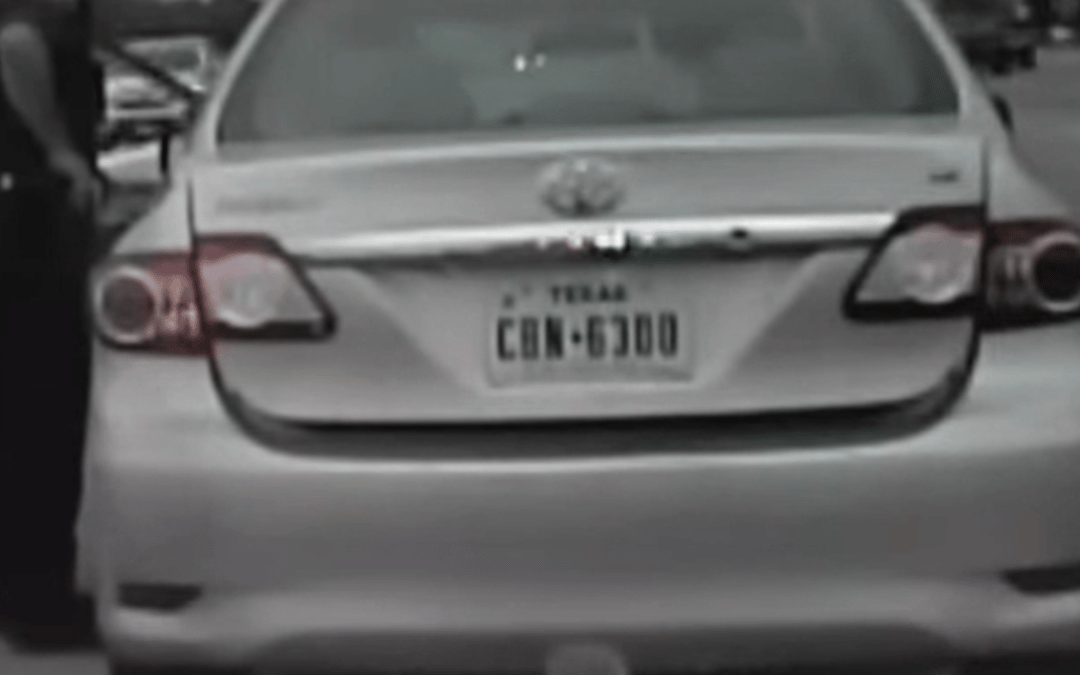
Barnes v. Felix stemmed from a traffic stop involving Officer Roberto Felix and a man named Ashtian Barnes. Felix initiated the traffic stop because the car Barnes was driving (a rental car) had an unpaid toll of $6.45 attached to the car. Barnes could not produce a driver’s license or proof of insurance and began “digging around in the car.” Barnes said they might be in the trunk. He then opened the trunk and turned off the engine.
At that point, Officer Felix ordered Barnes out of the car. Barnes opened the driver’s door but then turned the car back on. Officer Felix drew his weapon and then the car began to move forward. In response to the car moving forward, Officer Felix stepped onto the car’s door seal as it was moving forward.

When the car didn’t immediately stop, he shot Barnes in the head twice, killing him.
The lower courts, applying the “moment of threat” doctrine, granted Felix qualified immunity, meaning he could not be sued for shooting Barnes. The “moment of threat” doctrine only allowed the court to consider the moment force was used in determining if the force was reasonable. Here, at the moment of force, the officer was hanging onto a moving car driving by a person evading arrest in a fleeing motor vehicle. The court reasoned the officer’s life was in danger at that moment, justifying his use of deadly force.
The question before the Supreme Court in Barnes v. Felix was: Should the court consider the facts and circumstances of the entire interaction for the qualified immunity determination or should the court only consider the situation the officer faced at the time he pulled the trigger?
What Did the Supreme Court Decide?
In a 9-0 decision, the Supreme Court rejected the “moment of threat” doctrine. Writing for the majority, Justice Kagan emphasized that qualified immunity must be analyzed in light of the “totality of the circumstances,” including the officer’s conduct leading up to the use of force.
“A court deciding a use-of force case cannot review the totality of the circumstances if it has put on chronological blinders.”
The Court ruled that Officer Felix’s conduct should not be evaluated in isolation but as part of a continuum of actions that led to the use of force. All the circumstances must be evaluated from the “perspective of a reasonable officer on the scene.” As such, the Court vacated the lower court’s ruling and remanded the case for further proceedings.
Read the full opinion here: Barnes v. Felix – Supreme Court Opinion (PDF)
That makes Barnes v. Felix a win for Officer Accountability, Right?
Not necessarily.
The Court in Barnes v. Felix did not determine whether the officer in this case should or should not be granted qualified immunity. In fact, Justices Kavanaugh, Thomas, Alito, and Barrett wrote a separate opinion where they agreed that the “moment of threat” doctrine should be rejected, but they then spent their entire opinion explaining all of the reasons that police use of force is reasonable when a person flees a traffic stop in a vehicle.
Additionally, application of the “moment of threat” doctrine could favor either the officer or the person injured, at least in theory, depending on the specific facts of the case. Likewise, the rejection of that doctrine and requiring courts to look at more than the moment of force could work in favor of either person, depending on the specific facts being reviewed.
Perhaps most importantly, the Court did not address the argument raised by Barnes’ attorneys that Officer Felix’s “creation of a dangerous situation” by stepping onto the car should factor into the reasonableness analysis. Put another way, although the Supreme Court’s ruling means the trial court will have to consider things like the reason for the stop (an unpaid toll) in deciding if shooting Barnes was reasonable, there is no guarantee that the lower court will even consider the reasonableness of the officer in grabbing onto the car as it began to drive away.
It would seem that it is very likely that the lower courts will look at “the totality of the circumstances” and still come to the conclusion that the officer is protected by qualified immunity.
Why This Matters to You
The Barnes v. Felix decision provides another step toward a more just application of qualified immunity. According to critics of the “time of threat” doctrine, the doctrine was often only strictly applied in circumstances where it would favor officers. A complete rejection of the doctrine eliminates the possibility that courts may selectively apply it in ways to torpedo otherwise valid claims.
While any progress is good progress, it is important to understand the limited nature of this ruling and that there is still a great deal of work left to do.
If you believe your rights have been violated by law enforcement, you need to consult civil rights attorney who understands the complexities of qualified immunity and can properly evaluate your case.
Conclusion
Barnes v. Felix marks a departure from the narrow, moment-focused view of police force and signals a broader commitment to justice and accountability. By rejecting the “moment of threat” doctrine, the Supreme Court ensures that officers must answer for their entire course of conduct—not just the final second before they act. That’s a win for civil rights—and a reminder that the Constitution protects all of us, every moment of every day.