
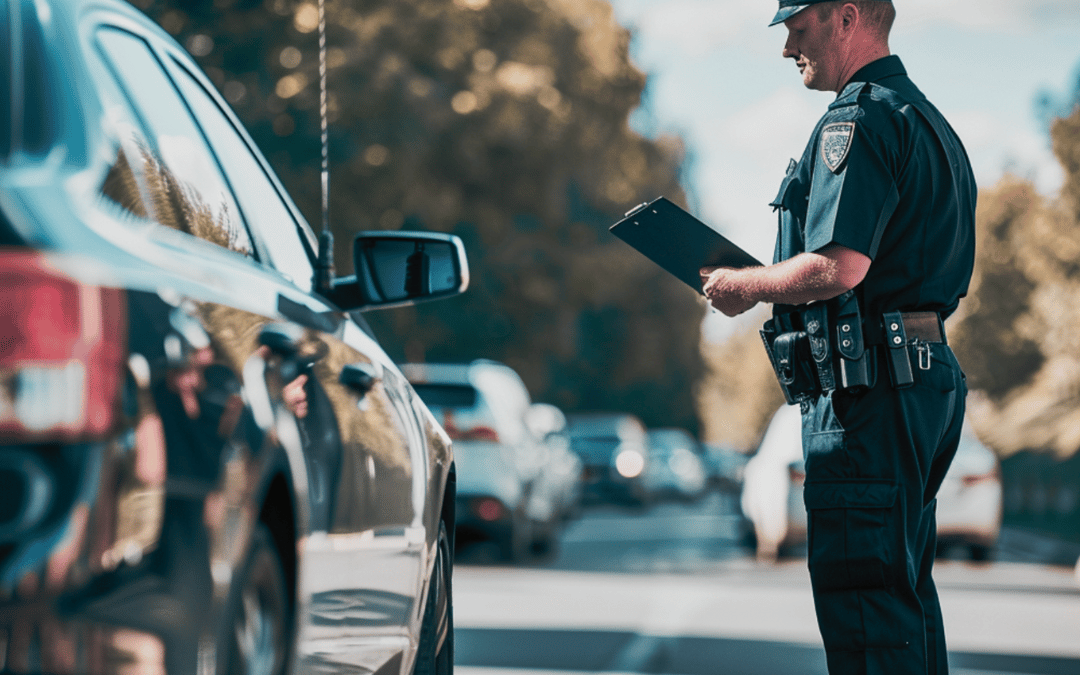
A Quick Guide Traffic Stops in Missouri
Navigating the dynamics of a traffic stop in Missouri can be challenging. However, comprehending these circumstances can ensure your rights are upheld and obligations are met in the face of these encounters.
In Missouri, the basis of any traffic stop in Missouri lies within the boundary of reasonable suspicion. This means that a law enforcement officer must have specific, compelling reasons or rational inferences to believe you’ve violated certain traffic rules, such as speeding or malfunctioning vehicle lights. Understanding this provides assurance that officers must have substantial cause – they aren’t allowed to pull you over without reason.
Once stopped, officers assume specific legal duties during the interaction. They are authorized to request documents such as your driving license, registration, and proof of insurance. For safety reasons, an officer may also instruct the driver to sit in their patrol car. Being aware of this can help reduce anxiety and uncertainty by clarifying standard procedures.
While an officer does have certain powers, these are balanced by limitations designed to protect your rights. The duration of detention, for example, is curtailed by the requirement of reasonableness. The law specifies that a detention may only last as long as reasonably necessary to conduct investigations pertinent to the stop.
Any unreasonable extensions without just cause can infringe on your Fourth Amendment rights. This information equips you to expect timeliness and efficiency during traffic stops and understand when a situation crosses the acceptable line.
Under certain circumstances, an officer may conduct a vehicular search but needs probable cause, like the evident sight of illegal substances or contraband in your vehicle. Absent this, an officer must secure your consent or, in some cases, a search warrant to conduct a legal search. This information can help you assert your rights during an attempted search.
Lastly, not only do drivers have responsibilities during a traffic stop in Missouri, like providing the requested documents, but passengers also have rights and responsibilities that they must be aware of. Knowing this solidifies awareness, especially for passengers who may otherwise believe they have no obligations during a traffic stop.
Traffic stops can be complicated and stressful. However, a firm understanding of traffic stops in Missouri regulations arms you with the knowledge needed to enforce your rights and perform your obligations. Staying informed promotes safer and more knowledgeable interactions with law enforcement.
Key Takeaways When Encountering a Traffic Stops in Missouri
- Remain calm and cooperative during a traffic stop – do not make sudden movements or try to argue with the officer
- Provide your driver’s license, registration, and proof of insurance when requested, but do not volunteer any additional information
- You have the right to refuse consent for the officer to search your vehicle, but they may still search if they have probable cause
- As the driver, you are required to identify yourself, but you have the right to remain silent and not answer other questions
- Seek legal representation if you are arrested, as you have the right to an attorney
At James Law Group, we understand the challenges you’re facing and are here to offer the legal support you need. Whether you’re dealing with DUI/DWI charges, seeking justice for a personal injury, or fighting for your civil rights, our experienced team is ready to help.
Contact us to schedule a free consultation. Let us guide you through your legal journey with expertise, compassion, and dedication.
This post is meant to be a guide, not legal advice.
Should I Consent To Take Or Refuse To Take The Breath/Blood Test? Part 4
Driving While Intoxicated (DWI) cases can be intricate, especially for individuals with prior alcohol/drug related driving offenses. At James Law Group, we recognize the unique challenges faced by prior offenders and aim to shed light on the critical...
Should I Consent To Take Or Refuse To Take The Breath/Blood Test? Part 3
What actions or inactions by the driver will be deemed a refusal? What constitutes a refusal? The most common acts or non-acts of the driver that result in the officer marking “Refused” on his report thereby triggering the one year revocation notice are: 1) The...
Should I Consent To Take Or Refuse To Take The Breath/Blood Test? Part 2
“To Blow or Not to Blow?” is the most frequently asked question of lawyers who defend people accused of driving while intoxicated. Of course the question includes within its scope the question of whether a driver should consent to any of the tests covered by...
PROTECTING YOUR RIGHTS
Trust James Law Group to be your advocates in criminal defense cases. We're here to protect your rights and your recovery.